
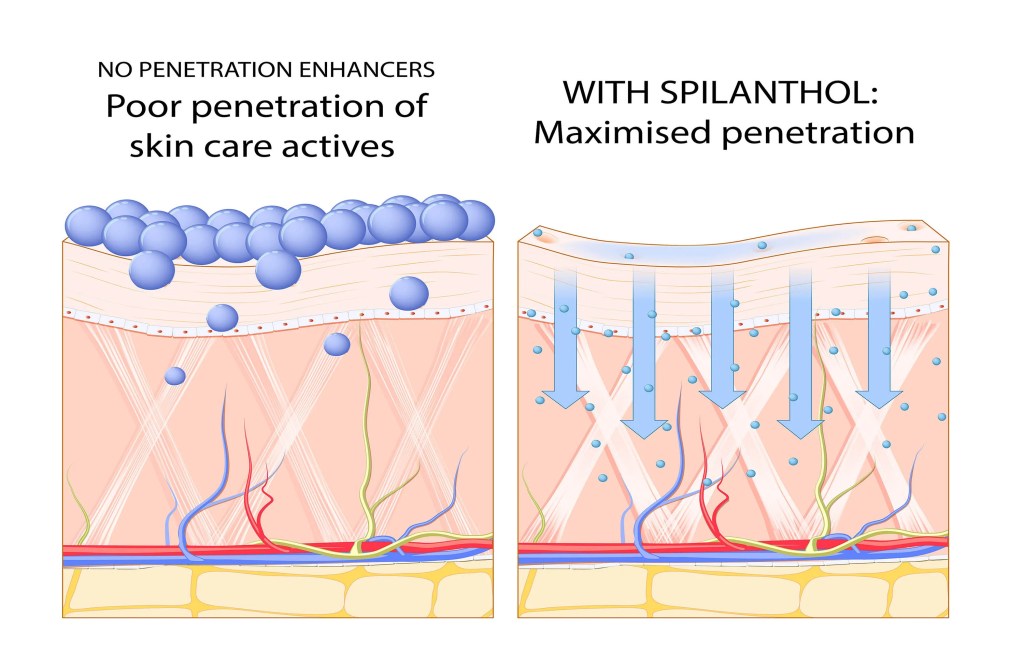
Technical Advantages in Dermatology Product Development
Our company specializes in the research, development, and production of safe, effective, and clinically-supported dermatology products. We combine advanced pharmaceutical technology with deep skin science to create formulations that deliver visible, long‑lasting results while respecting skin health.
Our key technical strengths include:
- High‑tolerance formulations designed for sensitive, irritated, and post‑treatment skin, with minimal irritation and hypoallergenic properties.
- Advanced delivery systems that improve absorption, stability, and efficacy of active ingredients for deeper and longer‑lasting effects.
- Strict quality control following international pharmaceutical standards, ensuring purity, safety, and consistency in every batch.
- Innovative active ingredient combinations backed by scientific research, targeting common dermatological needs including moisturizing, soothing, repairing, and anti‑aging.
- GMP-compliant production process with rigorous testing to guarantee safety for long‑term use on delicate skin areas.
By integrating medical‑grade standards with advanced skincare technology, we provide reliable, professional dermatology solutions that support skin repair, protection, and wellness for global customers.
Polysaccharide-based medicines for topical skincare
The Effects of Mucopolysaccharide Polysulphate on Hydration and Elasticity of Human Skin
Polysaccharide-based medicines for topical skincare, such as hyaluronic acid, chitosan, and algal-derived polymers, are high-demand, biocompatible agents that enhance skin hydration, provide anti-aging antioxidant protection, and facilitate drug delivery through gel-forming, film-forming, and wound-healing properties. They offer specialized, natural alternatives to synthetic creams, with key functionalities including accelerating tissue regeneration and, in some cases, providing UV protection.
Mucopolysaccharide polysulphate (MPS) has been used in medicine as an anti-inflammatory and antithrombotic agent for over 50 years. Its chemical structure permits considerable hydrogen bonding with adjacent water molecules, which effectively leads to hydration of the surrounding tissue. In addition, it stimulates endogenous hyaluronate synthesis, resulting in an increase in water-binding capacity and viscoelasticity of the skin.
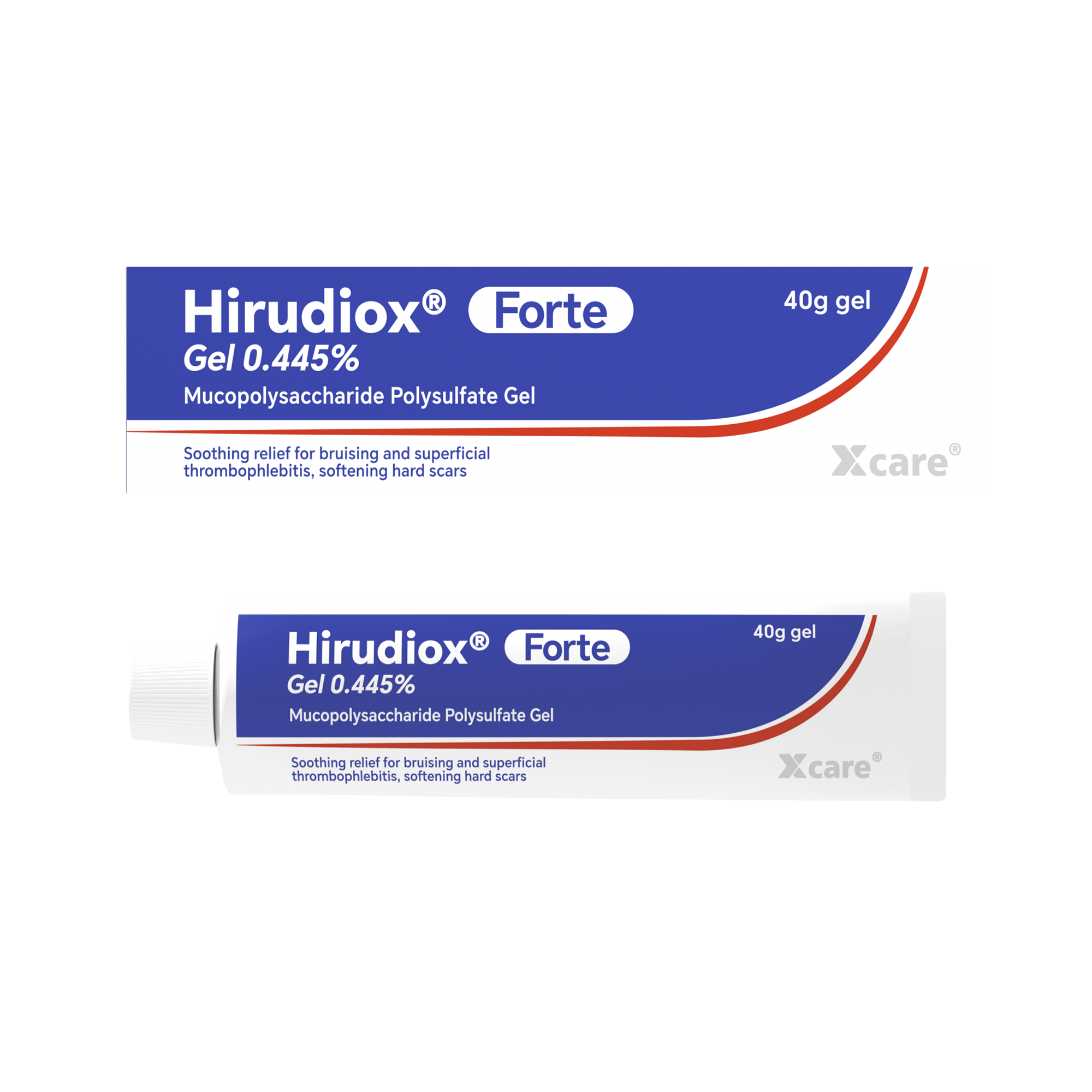
Mucopolysaccharide polysulfate (MPS) cream or gel, often branded as Hirudiox®, is a heparinoid-containing, topically applied medication with anti-inflammatory, antithrombotic, and moisturizing properties. It is used to treat bruising, superficial phlebitis, sports injuries, and dry skin conditions (eczema, psoriasis) by promoting microvascular circulation, improving skin hydration, and reducing inflammation.
Key Aspects of Mucopolysaccharide Polysulfate (MPS):
Mechanism of Action: MPS acts as a heparinoid, mimicking heparin’s actions by reducing inflammation and promoting, in some cases, enhanced blood flow. It also acts as a potent moisturizer by enhancing the skin’s water-binding capacity.
Medical Uses:
Topical Care: Used in creams and gels for bruising (hematomata), swelling (edema), sprains, strains, and superficial thrombosis.
Skin Conditions: Effective for treating dry skin, eczema, and psoriasis, as well as moisturizing skin in conditions like atopic dermatitis.
Vascular Issues: Used in treatment for superficial phlebitis and to aid in peripheral vascular insufficiency.
Composition & Structure: MPS is a semisynthetic glycosaminoglycan derived from mammalian cartilage, comprising polysulfated chondroitin sulfate.
Effectiveness: Clinical studies show that MPS, particularly in cream form, is effective in reducing symptoms of non-exudative eczema, improving skin elasticity, and reducing inflammation.
Safety: Topical application is considered safe, with mild and generally tolerable skin adverse events reported.
Effects of Polysaccharide-Based Formulations on Human Skin
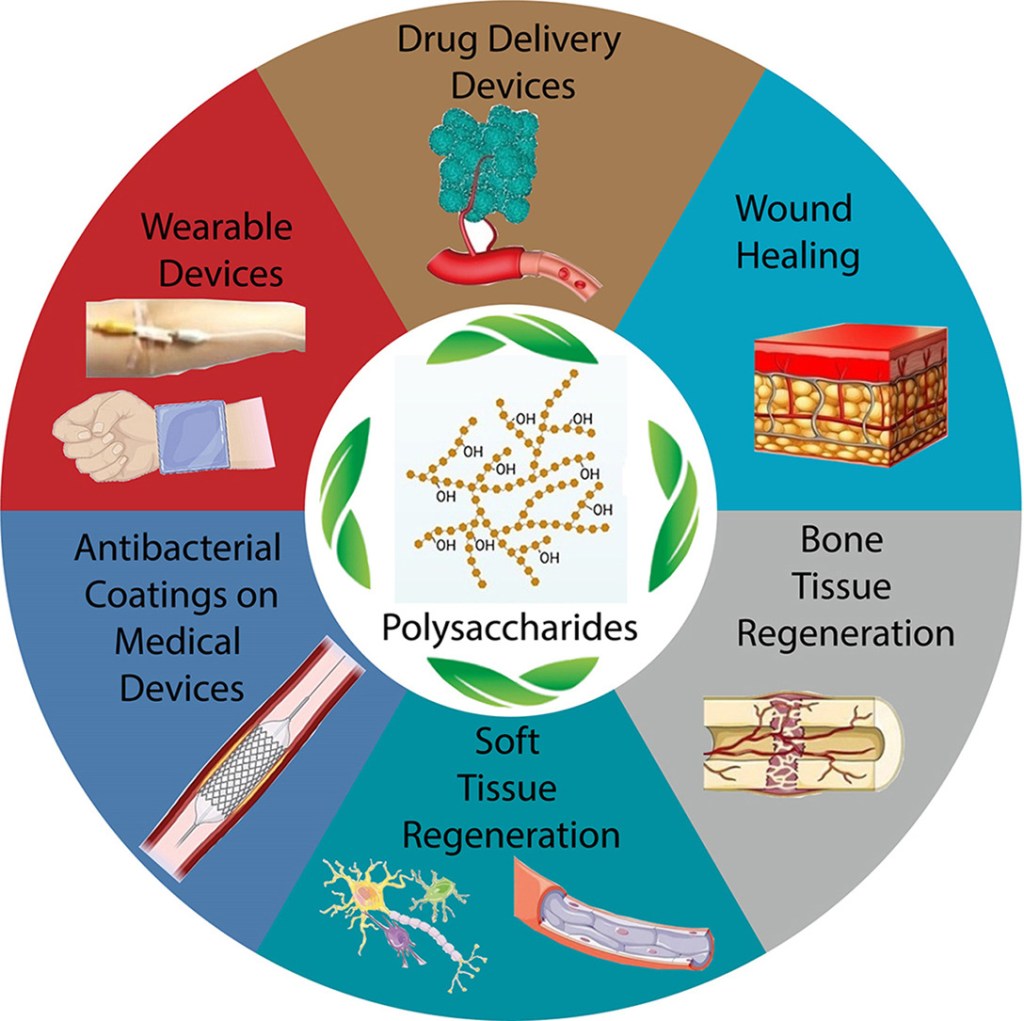
- The polysaccharides, mainly from natural sources, have been widely used in cosmetic area due to their multifunctional properties, playing a large role in the research and development of cosmetics products.
- The knowledge of the skin biology allows the identification of which active ingredients are important for the maintenance of its integrality and barrier function, essential to skin health.
- So due to the polysaccharides’ protective effects on the skin, the development of cosmetic formulations with these ingredients like hyaluronic acid, algae, and others obtained by biotechnology process could improve the efficacy of the formulations, maintaining the skin in good conditions. In addition, some polysaccharides can also improve formulation stability and sensorial properties.
Mucopolysaccharide polysulfate increases local skin blood volume through nitric oxide production
Mammals’ skin has three layers: the epidermis, dermis, and subcutaneous tissue. The upper layer of the skin has dermal papillary loops, which are made by arterial capillaries and supply nutrients to the skin. Different skin appendages get their blood directly from the circulatory system—for example, sweat glands are wrapped around capillaries. Cutaneous blood flow, or CBF for short, is really important for keeping the skin balanced and regulating body temperature, like through sweating and blood vessel dilation.
Mucopolysaccharide polysulfate, also called MPS, is a heparin-like substance. It’s made of polysulfated chondroitin sulfate, which is a type of sulfated glycosaminoglycan—these are made of repeating units of N-acetyl-D-galactosamine and D-glucuronic acid. In Japan, MPS is an active ingredient in topical Hirudoid products, which are often used to treat asteatosis and other skin conditions, like thrombophlebitis and inflammatory diseases that come with poor blood vessel function.
We’ve previously found that using MPS cream made sweat-impaired mice sweat more and increased their local blood volume. Another study also showed that people who used a moisturizer with MPS had more basic sweating. So MPS probably increases CBF, and that might affect how well it works for diseases related to blood vessel problems and skin functions like sweating. But we still don’t know the exact way MPS makes blood flow faster.
MPS is a high-molecular-weight compound—its molecular weight is over 500 Da. Usually, compounds this big are absorbed through skin appendages like hair follicles or sweat ducts. Kumokawa and their team found that when they put a 14C-MPS ointment on intact human skin, the 14C-MPS spread all over the epidermis near the hair follicles. What’s more, 1.34% of the applied 14C-MPS was found in the epidermis and dermis. That means MPS can be absorbed through the skin and reach the dermis, where the capillaries are. So it’s likely that MPS gets absorbed through the skin and acts on different types of skin cells.
 Xhealth Products Ltd